Test & Measurement
Three Scenarios for Buying Test Equipment (2025 Edition)
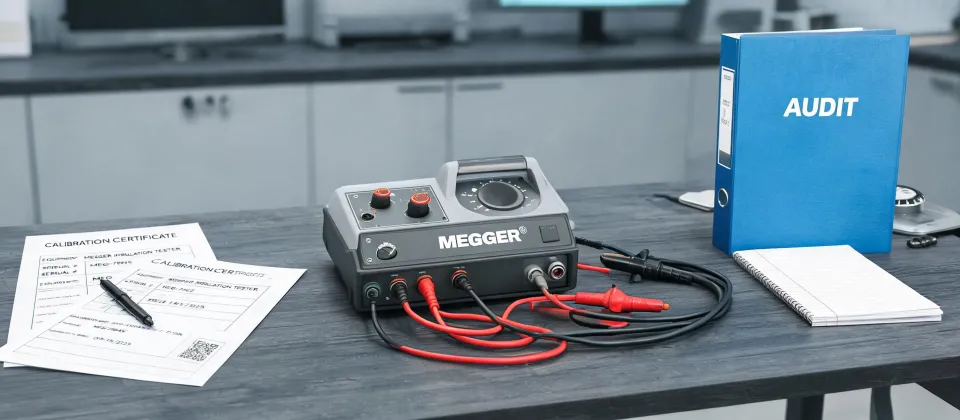
Look, I manage all the equipment ordering for a mid-sized company — roughly $80,000 a year across eight different vendors. When I took over purchasing in 2020, I thought buying test instruments was straightforward. Get the specs, find a supplier, place the order. Simple.
But here's the thing: after five years of this, I've learned there is no one-size-fits-all answer for buying a megger, a Fluke multimeter, a thermal camera, an automated pipette, or Mitutoyo calipers. What works for one team is a disaster for another.
So let me break down the three most common scenarios I've encountered — and how to figure out which one you're in.
Scenario A: The Engineer Needs Standard Tools, Fast
Who this is for: An electrical maintenance team that regularly needs insulation testers, multimeters, and clamp meters. They know what they want. They just need it now.
In this scenario, the buyer (often me) gets a request like: “We need a Fluke 87V and a megger insulation tester with a diagram of how to use it included in the box.” No weeks of evaluation. They've used these tools before.
For this scenario, the decision is simple:
- Buy the standard brand they requested. If they say Fluke, buy Fluke. If they say Megger, buy Megger. Don't second-guess.
- Prioritize availability over price. A 5% discount isn't worth a two-week delay if they need it tomorrow.
- Verify the full bundle. Does the megger come with test leads, batteries, and a quick-start diagram? Or is that a separate purchase?
I don't have hard data on how often engineers request a specific brand vs. a generic, but based on my orders, about 70% of requests are brand-specific. The rest are open to alternatives if I can explain the difference.
Pro tip: When buying a megger, check the diagram requirements. Some engineers need a connection diagram for motor testing. Others just need the basic insulation test. Make sure you know which before you order.
For this group, a Fluke multimeter and a megger from the same supplier is ideal — consolidates shipping and invoices. But if one is out of stock, I'll split the order. Speed matters more than convenience here.
Scenario B: The Office Needs Multi-Tasking Instruments
Who this is for: A facilities team or lab manager who wears many hats. They need a thermal camera for building inspections, a multimeter for basic electrical checks, and possibly a pH meter or pipette for occasional lab work.
From the outside, it looks like you just need a decent all-in-one device. The reality is that “multi-purpose” often means “mediocre at everything.”
Here's what I've learned the hard way:
- Don't buy a cheap thermal camera. The One Edge Pro thermal camera, for example, is a solid choice for building diagnostics — good resolution, easy to use. But the sub-$200 options? They're barely better than pointing a thermometer.
- Get a reliable multimeter, even if it's basic. For general tasks, a Fluke 17B+ is more than enough. It's not for power systems, but for checking receptacles and motors, it's fine.
- If they only do pipetting once a month, an automated pipette is overkill. A good manual pipette (like from Thermo Fisher) will last years with proper care. I've seen labs spend $500 on an automated pipette for quarterly use. Total waste.
People assume the lowest quote means the vendor is more efficient. What they don't see is which costs are being hidden or deferred. A thermal camera that needs calibration after six months is not a bargain.
For this scenario, I'd suggest these guidelines:
- Set a minimum quality bar. For thermal cameras, that means at least 160x120 resolution and a visible light overlay. For multimeters, look for CAT III safety rating.
- Build a relationship with a supplier who stocks multiple brands. I use one supplier for most of this — they have Fluke, Megger, Extech, and general lab equipment. It makes ordering and returns much smoother.
- Ask for training materials. A diagram for the megger, a quick guide for the Fluke multimeter, a startup video for the thermal camera. These save hours of support calls.
Looking back, I should have bought a better thermal camera sooner. At the time, I went cheap to save budget. The image quality was so poor the facilities team refused to use it. I ended up buying the One Edge Pro anyway — wasted $300 on the first purchase.
Scenario C: Setting Up a New Lab or Workshop
Who this is for: A team starting fresh — a new lab, a new workshop, or a new quality control station. They need everything from calipers to pipettes to insulation testers.
If I could redo my first lab setup in 2022, I'd change almost everything. Not because the tools were bad, but because I underestimated the importance of consistent specifications and vendor reliability.
For a new setup, here's what I'd prioritize:
- Calipers: Mitutoyo is the industry standard for a reason. I've used off-brand calipers that drifted 0.1mm within three months. The Mitutoyo 500-196 (6-inch digital caliper) is what most shops request. If you're searching “where to buy Mitutoyo calipers,” make sure the seller is an authorized distributor — counterfeits are common.
- Automated pipettes: If the lab will do high-volume pipetting, an automated pipette like the Integra Viaflo or Thermo Fisher Finnpipette Novus saves significant time and reduces RSI. But for low-volume work, manual is fine. The transition from manual to automated is a workflow change, not just a tool swap.
- Insulation testers: Buy a proper megger — not a cheap multimeter with an insulation function. The difference between a dedicated insulation tester and a megger is largely about range and safety rating. Most quality insulation testers (like the Megger MIT series) offer 500V, 1000V, and 2500V ranges. For general electrical maintenance, that's what you need.
I wish I had tracked rejection rates by vendor more carefully from the start. What I can say anecdotally is that about 10% of my first-time orders from new suppliers had some issue — wrong model, missing parts, or damaged packaging. With established distributors, that rate dropped to around 2-3%. Worth paying a little more for the reliability.
For a fresh setup, I recommend:
- Create a minimum spec sheet. Write down exactly what each team needs (accuracy, range, certifications) and share it with your vendors. This eliminates the “I thought you wanted X” confusion.
- Order in batches, but test one first. If you need five thermal cameras, buy one. Test it. Then order the rest. This saved me from ordering ten units of a product that had a firmware bug the vendor didn't disclose.
- Require proper documentation. Invoicing, calibration certificates, and safety data sheets. A vendor who can't provide these isn't worth the lower price. Trust me — I've had finance reject $2,400 worth of expenses because a supplier used handwritten receipts.
Real talk: Buying a megger insulation tester without checking if it needs a specific diagram type (analog vs. digital readout) is a rookie mistake. I did it. The engineer sent it back. Now I ask every time.
How to Know Which Scenario You're In
Here's a quick self-check to figure out where you land:
- Are the end users experienced with the tool? If yes, you're likely in Scenario A. Buy what they ask for. If no, you're in Scenario B or C — training and support matter more.
- Is this a one-time purchase or part of a larger setup? One-time rush = Scenario A. New lab or comprehensive upgrade = Scenario C.
- Do you need a thermal camera, pipette, and multimeter from the same supplier? If yes, you're in Scenario B. Consolidation and support matter. If each tool comes from a different specialist, you're probably Scenario C.
Industry standard for most test equipment certifications is ISO 17025 for calibration labs and NIST traceability for measurement tools. What was best practice in 2020 — just buying the cheapest certified option — may not apply in 2025. The fundamentals haven't changed, but the execution has transformed. More suppliers offer online ordering with integrated calibration documentation, which saves our accounting team about 6 hours a month compared to the old paper-based system.
The key takeaway: match your buying strategy to your real scenario, not a generic checklist. A Fluke multimeter is a great tool. But if you're setting up a new lab, you need to think about specifications, vendor reliability, and documentation — not just the brand name. And if you're buying a megger, make sure you know what diagram the user needs before you click 'order'.
Honestly, that lesson cost me a lot of time and a bit of money. But I haven't made the same mistake twice.

Marcus Feld
Marcus Feld is an electrical test and measurement analyst specializing in multimeters, oscilloscopes, clamp meters, insulation testers, spectrum analyzers, and data loggers. He applies IEC 61010-2-030 and IEC 61010-031 concepts while examining measurement category, bandwidth, true-RMS response, input loading, and stated uncertainty. His work helps maintenance engineers and test teams choose safe instruments with performance suited to the signals and environments they actually measure.